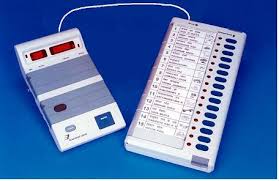
Electronic Voting Machine :
(EVM technology)
Hardware
Inadequately secured hardware can be subject to a physical Tampering. Some critics, such as the group "Wij vertrouwen stem computers niet" ("We do not trust voting machines"), charge that, for instance, foreign hardware be inserted into the machine, or between the user and the central mechanism of the machine itself, using a main in the middle attack, and thus even sealing DRE machines may not be sufficient protection. Claim is countered by the position that review and testing procedures can detect fraudulent code or hardware, if such things are present, and that a thorough, verifiable chain of custody would prevent the insertion of such hardware or software.
Software
Security experts, such as Bruce Shenier demanded that voting machine source code be publicly available for inspection.Others have also suggested publishing voting machine software under a free software license is done in Australia.
Suggestions for protectionIn Decembe
Some groups such as the Open voting Consortium that to restore voter confidence and to reduce the potential for fraud, all electronic voting systems must be completely available to public scrutiny.
Also proposed is the requirement for use of open public standards and specifications such as the Election Markup Language(EML) standard developed by OASIS and now under consideration by ISO. These can provide consistent processes and mechanisms for managing and performing elections using computer systems.


No comments:
Post a Comment